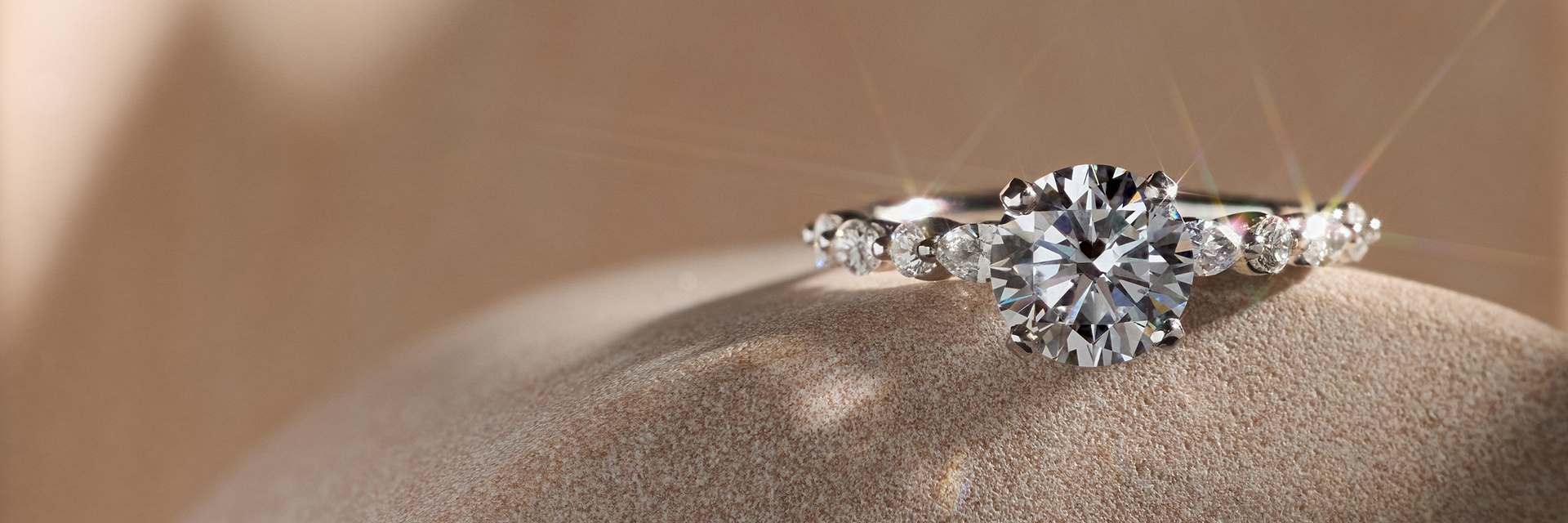




Diamonds created in controlled environments are no longer a niche option. You now see them in engagement rings, fine jewelry, and investment pieces. To choose well, you need to understand how quality is judged. The same system used for mined stones applies here. This system is known as the 4Cs. Once you understand it, you can compare stones with confidence and avoid paying for features that do not matter to you.
This article explains the 4Cs in practical terms. You will learn how each factor affects appearance, durability, and cost. The goal is not to impress you with theory. The goal is to help you make a clear decision.
Table of Contents
What the 4Cs Mean in Real Life
The 4Cs stand for cut, color, clarity, and carat weight. Each one measures a different aspect of a diamond. No single C defines quality on its own. What matters is balance.
You should think of the 4Cs as tools. They help you filter options and focus on stones that suit your needs. A high grade in one area does not compensate for weakness in another if the imbalance affects how the stone looks to your eye.
Cut: The Factor That Controls Light
Cut is the most important of the 4Cs. It determines how light enters the diamond, moves inside it, and exits back to your eye. This is what creates brightness, fire, and contrast.
A well cut diamond looks lively even in low light. A poorly cut stone can appear dull even if it has high color and clarity grades.
Cut quality is not about shape. Round, oval, emerald, and cushion are shapes. Cut refers to proportions, symmetry, and polish. These elements work together to control light performance.
When reviewing cut grades, prioritize excellent or ideal for round stones. For fancy shapes, grades vary by lab, so rely on visual performance. Look for even brightness across the surface. Avoid stones with dark areas that do not move when you tilt them.
Do not compromise on cut to gain size. A slightly smaller stone with a better cut will always look more impressive than a larger stone that lacks life.
Color: How White the Stone Appears
Color grading measures how much yellow or brown tint a diamond has. Grades typically range from D, which is colorless, down to Z, which shows obvious warmth.
In practical terms, small differences in color are hard to see once the stone is set. Metal choice also affects perception. Yellow and rose gold reflect warmth into the stone. White metals highlight any tint.
For most buyers, grades in the near colorless range offer the best balance. These stones look white to the eye but cost less than top color grades.
If you are sensitive to color, view stones side by side. Lighting matters. Jewelry store lights are designed to enhance sparkle. Ask to see stones in neutral light if possible.
Clarity: What You Can and Cannot See
Clarity describes internal features called inclusions and surface features called blemishes. These are natural results of the growth process.
Clarity grades range from flawless to included. The key question is whether inclusions are visible without magnification.
Many inclusions have no effect on beauty or durability. Others can interfere with light or weaken the stone if they are large or positioned near the edges.
Aim for eye clean stones. This means you cannot see inclusions when viewing the diamond face up at normal distance. You do not need flawless clarity for a beautiful stone.
Pay attention to the type and location of inclusions. A small crystal near the edge is often less noticeable than a feather under the table. Ask for magnified images and clarity plots. Learn to interpret them.
Carat Weight: Size Versus Presence
Carat weight measures mass, not visual size. Two stones with the same carat weight can look different in size depending on cut and shape.
Carat is often the most visible number on a certificate. It is also the most misunderstood. A heavier stone with poor proportions may hide weight in depth rather than spread.
Decide what size looks right on your hand rather than chasing a number. Consider shapes that offer more surface area for the same weight if size matters to you.
Also be aware of pricing thresholds. Prices jump at full and half carat marks. Choosing a stone just under these points can save money without a visible difference.
How the 4Cs Work Together
You should never judge a diamond by one C alone. A stone with high color and clarity but average cut may disappoint. A stone with excellent cut and moderate color and clarity may look stunning.
Start with cut. Set a minimum standard you will not compromise on. Then choose color and clarity levels that meet your visual expectations. Adjust carat weight last based on budget and preference.
This approach gives you control. You are not reacting to labels or numbers. You are choosing based on how the stone actually performs.
Certificates and Grading Labs
Always review an independent grading report. This document confirms the 4Cs and provides measurements and diagrams.
Look for reports from respected laboratories with consistent standards. Read the report carefully. Do not focus only on the headline grades. Proportions and comments matter.
Certificates do not show everything. They do not capture personality or sparkle. Use them as a foundation, not a final verdict.
Seeing the Stone Before You Buy
Whenever possible, view the stone in person or through detailed videos. Rotate it. Watch how it reacts to movement. Compare it with others of similar grade.
If you are buying online, choose sellers who provide high resolution images and clear return policies. Take time to evaluate. Do not rush.
Trust your eyes. If a stone looks good to you and meets your criteria, it is a strong choice.
Long Term Considerations
Diamonds made in controlled environments have the same hardness and durability as mined stones. The 4Cs still determine how well the stone will age in appearance.
A well cut stone resists dullness because it does not rely on surface shine alone. Inclusions that do not affect structure will remain stable.
Think about maintenance. Settings protect edges and corners. Regular cleaning keeps brilliance intact.
Understanding the 4Cs helps you choose a stone that fits your life, not just the moment of purchase.
Final Thoughts on Making a Confident Choice
Learning the 4Cs gives you clarity. You stop guessing and start evaluating. You know where to invest and where to be flexible.
When you apply this knowledge to lab grown diamonds 4Cs, you gain even more control. You can focus on visible quality rather than tradition or assumption.
Use the 4Cs as a guide, not a scorecard. Let your priorities lead. With patience and attention, lab grown diamonds can meet high standards of beauty and performance without confusion.