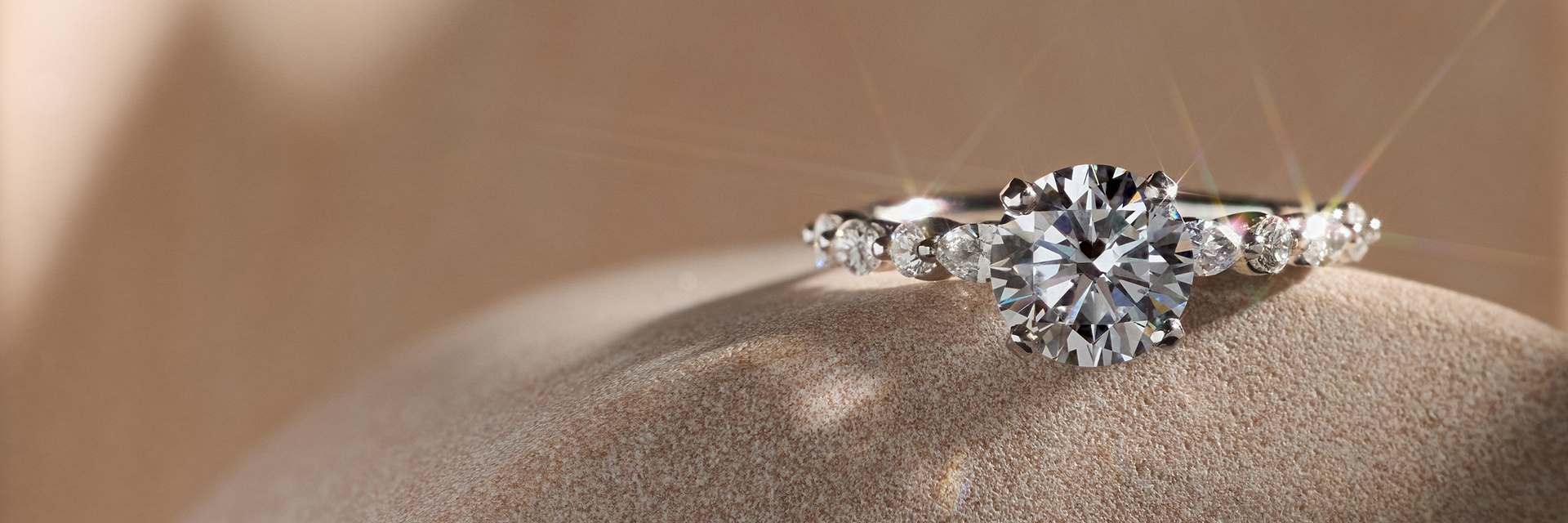




I’ve covered plenty of personal finance stories over the years — housing stress, rising grocery bills, the quiet panic people feel when a bill lands at exactly the wrong moment. But one topic keeps popping up in hushed conversations and late-night Google searches: getting a loan on jewellery.
Honestly, it’s not something most people plan for. No one wakes up thinking, Today’s the day I use Nan’s gold bracelet to cover a cash shortfall. Yet here we are. Life throws curveballs. Cars break down. Businesses hit slow months. Medical costs arrive without warning. And sometimes, the most practical option is already sitting in a jewellery box, quietly holding its value.
This isn’t a sales pitch or a moral judgement. It’s a straight-up look at how loans on jewellery work in Australia, why people use them, and what you should actually know before walking into a pawnbroker or speaking to a lender.
Table of Contents
When Sentiment Meets Reality
Jewellery is funny like that. It carries stories — engagement rings, anniversary gifts, pieces passed down through generations. But it also carries weight, purity, and market value. And in tough moments, that second part matters.
I spoke to a café owner in Brunswick last year who needed short-term cash to cover wages during a slow winter. She didn’t want a bank loan — too slow, too much paperwork. Credit cards were already stretched. So she brought in a gold necklace she hadn’t worn in years. “I wasn’t selling it,” she told me. “Just borrowing against it. Big difference emotionally.”
That distinction is important. A loan on jewellery isn’t about giving something up forever. It’s about using what you already own as temporary security.
What Is a Loan on Jewellery, Really?
At its core, a loan on jewellery is a secured loan. You bring in an item — usually gold, platinum, or diamond jewellery — and a lender assesses its market value. Based on that, they offer you a loan amount, typically a percentage of what the item’s worth.
You receive cash on the spot. The jewellery stays with the lender while the loan is active. When you repay the loan plus interest within the agreed timeframe, you get your item back. Simple in theory. The details, though, matter.
In Australia, these loans are commonly offered through licensed pawnbrokers and specialist lenders. They’re regulated, which helps, but it’s still on you to understand the terms.
If you’re new to the process, this guide to getting a loan on jewellery explains the basics clearly without the usual jargon.
Why People Choose Jewellery Loans Over Other Options
You might wonder why someone wouldn’t just go to a bank or apply for a personal loan online. In practice, jewellery loans appeal for a few key reasons.
First, speed. There’s no waiting for approvals or income verification. Your jewellery is the collateral. If it has value, you’re likely walking out with cash the same day.
Second, privacy. No credit checks. No impact on your credit score if things go smoothly. For people who are self-employed or juggling irregular income, that’s a big deal.
Third, flexibility. Loan terms can be short — sometimes as little as 30 days — which suits people who know the money gap is temporary.
That said, speed and convenience often come with higher interest rates. This is where being informed really matters.
How Jewellery Is Valued (And Why Expectations Matter)
One of the biggest emotional hurdles people face is valuation shock. The number in your head — often tied to what you paid or what the item means to you — may not match the lender’s offer.
Jewellery loans are based primarily on material value, not retail pricing. That means:
- Gold is valued by weight and purity (karat)
- Diamonds are assessed for size, cut, clarity, and resale demand
- Brand or design may matter less than you expect
A vintage ring from a boutique might fetch less than you think if the gold weight is modest. On the flip side, a plain but heavy gold chain can be surprisingly valuable.
This is where understanding how gold buyers operate helps. Their pricing logic often overlaps with jewellery loan valuations. If you want a deeper look at what affects gold pricing in Australia, this overview of gold buyers is worth reading before you commit to anything.
Loan vs Selling: A Crucial Decision
I’ve noticed people often walk into lenders undecided — should they take a loan or just sell the piece outright?
Selling makes sense if:
- You no longer want the item
- The emotional attachment is minimal
- You don’t want ongoing interest costs
A loan makes sense if:
- The jewellery has sentimental value
- You expect to repay within the term
- You want access to cash without permanent loss
There’s no universally right answer. But you should never feel pressured to choose one on the spot. A reputable lender will explain both options calmly.
If someone rushes you? That’s a red flag.
Interest Rates, Fees, and the Fine Print
This is where people can get caught out.
Interest rates on jewellery loans are higher than traditional bank loans — that’s the trade-off for speed and accessibility. In Australia, rates and fees must be clearly disclosed, but not everyone reads the paperwork properly. Understand:
- The interest rate (monthly, not annual)
- The loan term
- Extension options if you can’t repay on time
- What happens if you default
Defaulting doesn’t mean a debt collector knocks on your door. It usually means the lender has the right to sell the jewellery to recover the loan amount. You won’t owe more, but you will lose the item.
That’s why borrowing conservatively matters. Don’t take the maximum loan just because it’s offered.
Who Uses Loans on Jewellery?
There’s a stereotype that pawn loans are a last resort. That’s outdated.
From what I’ve seen, borrowers include:
- Small business owners bridging cash flow gaps
- Tradespeople waiting on invoice payments
- Parents covering emergency expenses
- Retirees avoiding selling assets in volatile markets
These aren’t reckless decisions. They’re pragmatic ones.
One man I interviewed described it best: “I wasn’t broke. I was between money.”
Emotional Weight: Let’s Be Honest About It
Handing over jewellery, even temporarily, can feel unsettling. You’re trusting someone else with something personal. That emotional layer is often ignored in financial discussions, but it’s real.
A good lender understands this. They’ll store items securely, document condition carefully, and explain retrieval clearly. If you don’t feel respected, walk away. There are other options.
You’re not weak for needing short-term help. You’re resourceful for exploring alternatives.
Smart Tips Before You Commit
If you’re considering a loan on jewellery, here’s what I’d suggest — journalist to reader, no spin.
Get at least one independent valuation beforehand. Even a rough idea helps you negotiate.
Borrow less than the maximum offered. Give yourself breathing room.
Clarify extension policies. Life doesn’t always stick to deadlines.
Keep all paperwork. Sounds obvious, but it’s often overlooked.
And most importantly, don’t rush. A legitimate lender won’t pressure you.
A Quiet Tool in a Noisy Financial World
Loans on jewellery don’t get discussed much at dinner parties. But maybe they should. In a world of buy-now-pay-later schemes and rising personal debt, using an existing asset responsibly can be the calmer option.
It’s not about desperation. It’s about choice.
Well, that’s how I see it after speaking with borrowers, lenders, and everyday Australians who’ve been there. Jewellery doesn’t just sparkle. Sometimes, it steadies you when things wobble.